
Industrial applications
Sealants matched to the joint, the material, and the conditions
Facade glazing, heavy vehicle assembly, and fire-rated penetrations each place different demands on a sealant. Start with the application, then review the silicone, PU, and fire-resistant PU options that fit it.
3
Core application environments
3
Sealant technologies covered
Application scenarios
Where each sealant technology performs
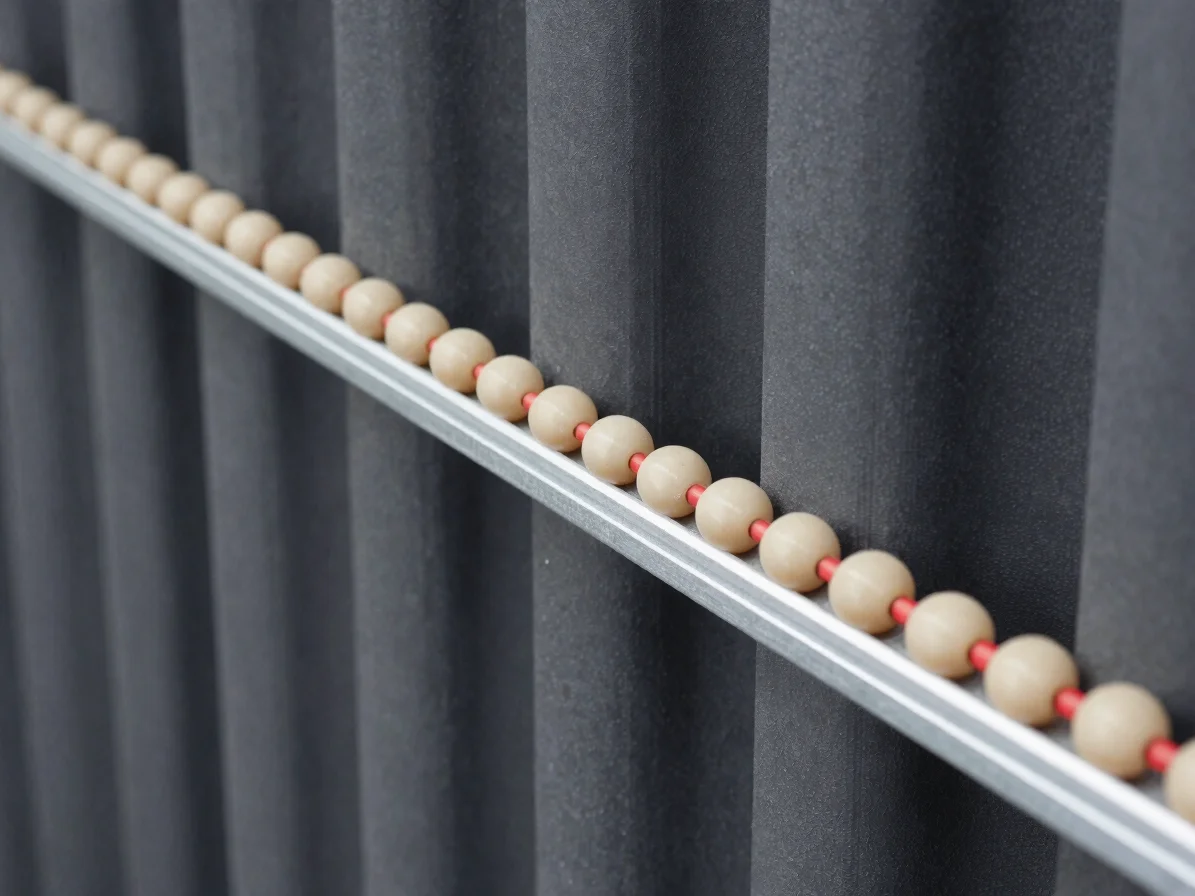
Structural building
Facade glazing and curtain wall joints
Perimeter curtain walls and exterior cladding joints call for neutral silicone formulations that accommodate movement while staying bonded to glass, metal, and masonry substrates.
Manufacturing
Vehicle assembly and machinery joints
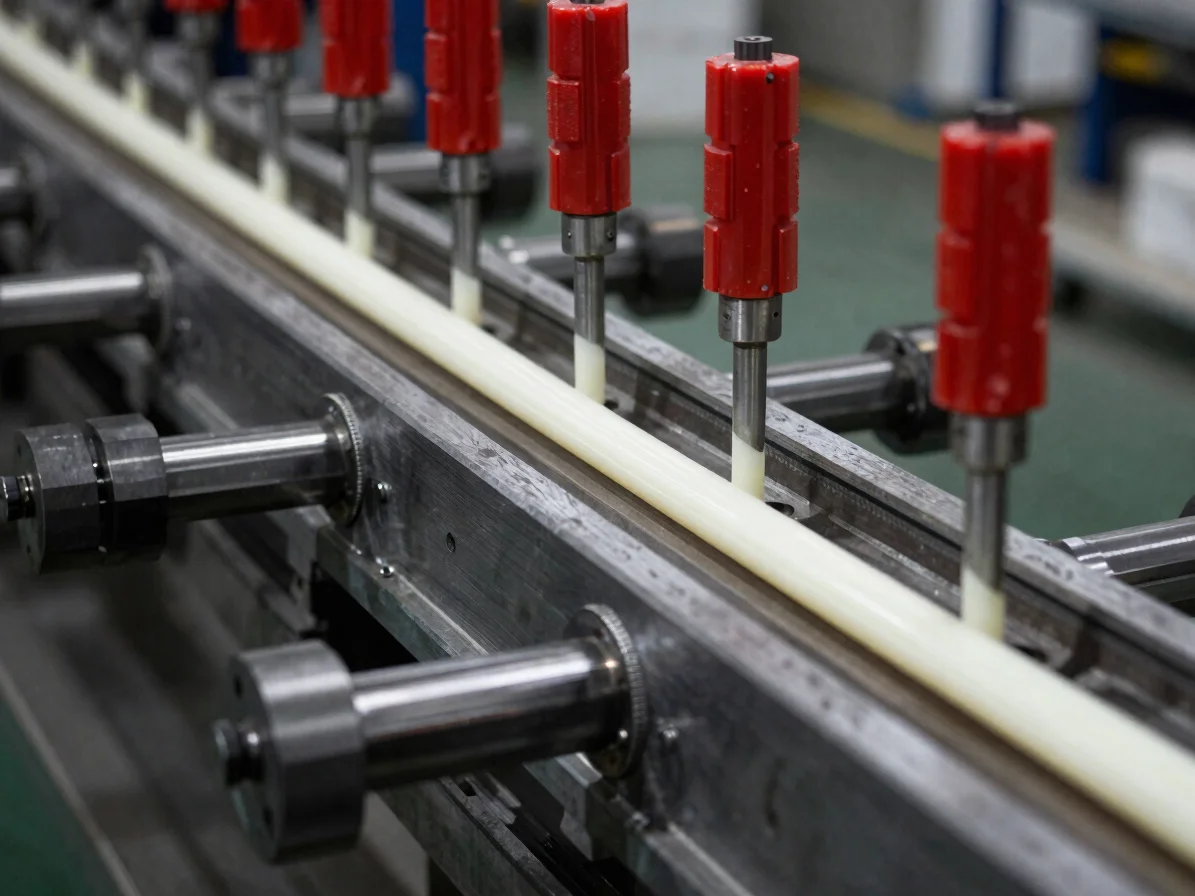
Heavy vehicle assembly, machinery housings, and flooring expansion seams are paired with polyurethane bonding agents that handle load, vibration, and mixed substrates.
Fire containment
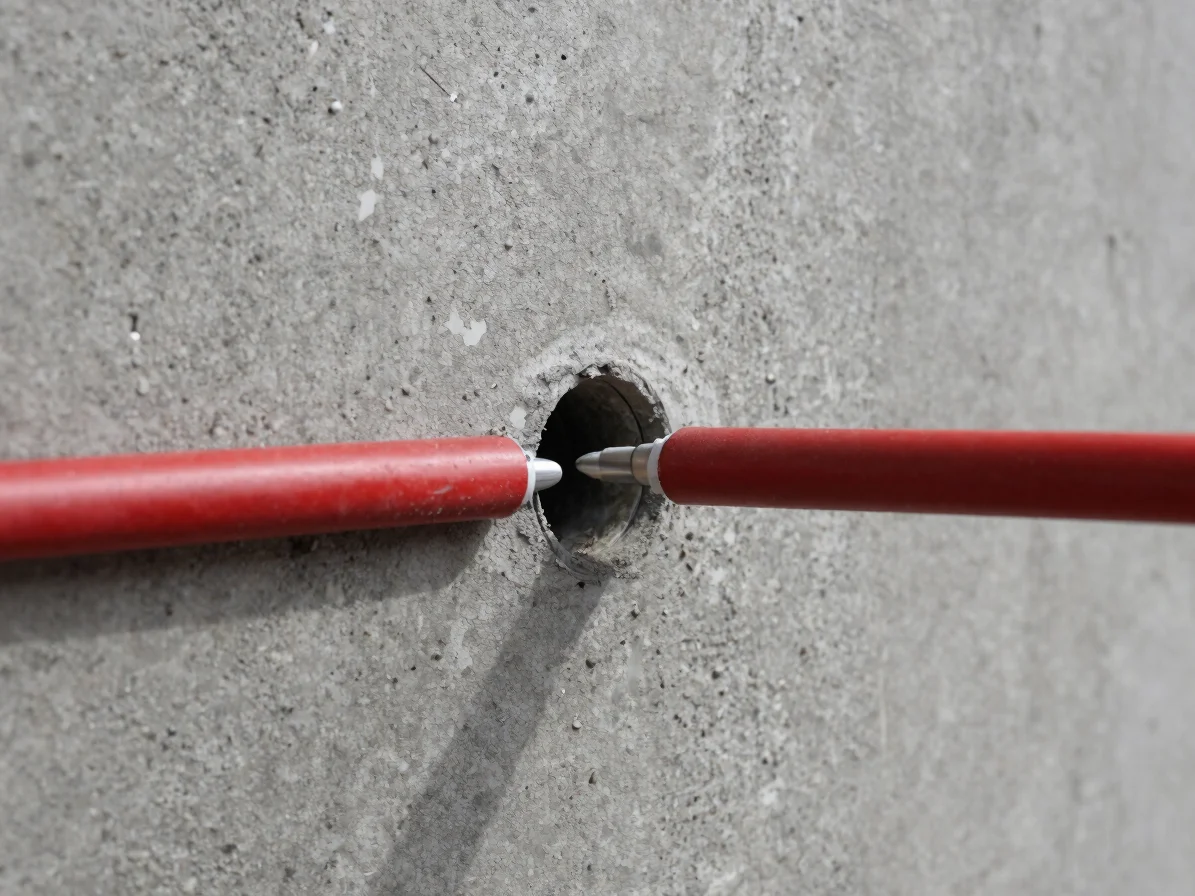
Fire-rated penetrations and compartment joints
Penetration seals and compartment wall joints are specified with fire-resistant PU compounds, selected against the rating and joint conditions stated in the project documentation.
Selection matrix
Evaluate three conditions before choosing a sealant
Work through joint movement, substrate compatibility, and temperature exposure in order. The answers narrow the sealant technology before any product is specified.
Step 01
Joint movement
High-movement joints such as curtain wall perimeters favor neutral silicone. Low-movement structural seams can use PU.
Step 02
Substrate compatibility
Confirm the sealant bonds to the actual substrates in the joint, including glass, aluminum, concrete, and coated steel, before specifying.
Step 03
Temperature and fire exposure
Check the service temperature range and any fire-rating requirement. Where a fire rating applies, specify the fire-resistant PU option.