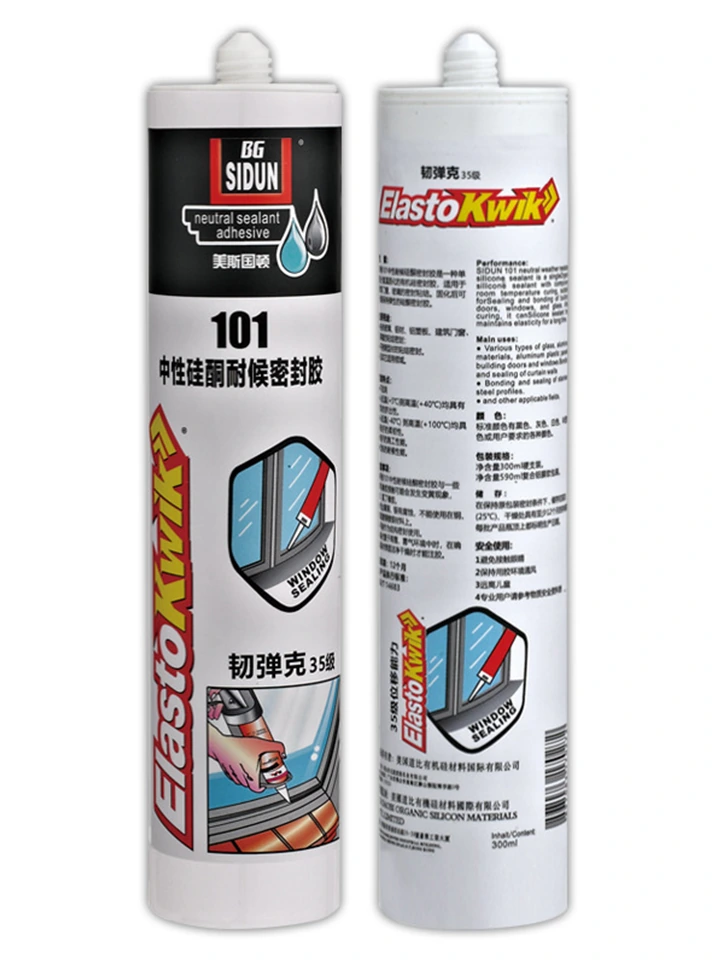
SIDUN 101
101 Neutral Silicone Weatherseal
Neutral-cure silicone
Application: Window and door perimeter sealing
Pack: 300 mL cartridge · 24 cartridges

SIDUN · Knowledge Center
Select the cure route against substrate compatibility and the intended assembly. Neutral and acetoxy describe curing chemistry; the complete product instructions, joint design and exposure conditions guide suitability.
Curing chemistry affects the compatibility questions to ask about metals, coatings and sensitive surfaces. It also forms part of the application and curing procedure. Identify both sides of the joint, including any surface treatment, before comparing models.
A perimeter weatherseal, a sanitary finishing joint and a fabricated glass assembly have different selection priorities. Describe movement, moisture or weather exposure, the desired finish and the installation method. Sensitive surfaces benefit from product-specific adhesion and staining evaluation.
A neutral-cure description does not make a product suitable for every metal, stone or plastic. Equally, an acid-cure description does not establish the design limits of every glass assembly. Avoid choosing from the cure label alone or treating all silicone models as interchangeable.
SIDUN 101 is a neutral building and perimeter-sealing direction. 108 is a neutral sanitary direction for kitchen and bathroom installation details. 7132 is an acid-cure glass-assembly direction. 101A is a separate compact tube model and should retain its own product identity and packaging requirements.
Use the actual substrates and finishes when discussing samples. Include the joint shape, surface preparation and service environment. Product information and sample observations can then be reviewed against the specific task.
Use a model and a clear application brief when requesting samples, technical information or a quotation.
Neutral-cure silicone
Application: Window and door perimeter sealing
Pack: 300 mL cartridge · 24 cartridges
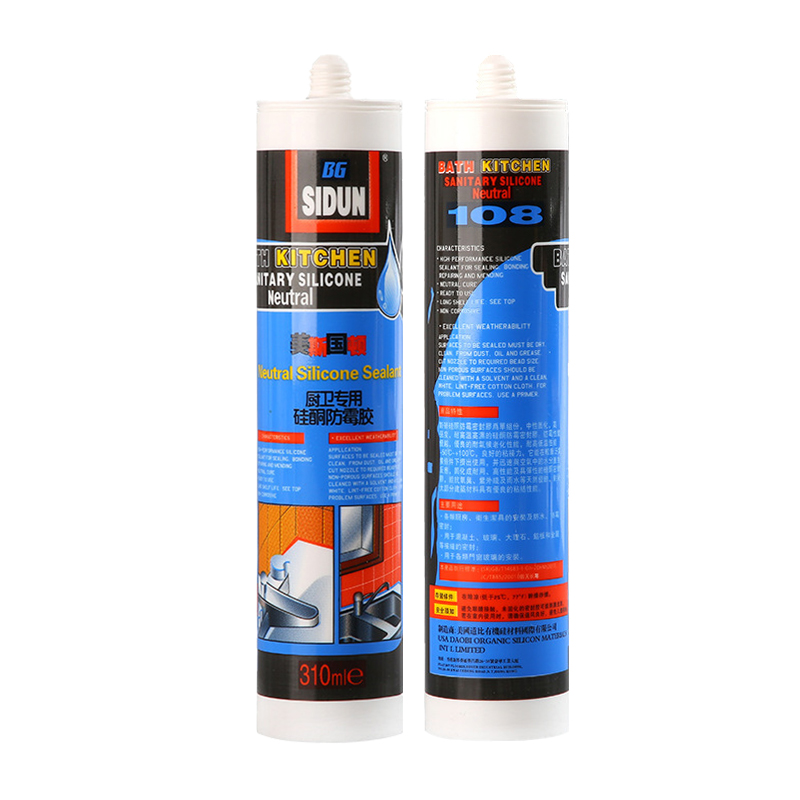
Neutral-cure silicone
Application: Kitchen and bathroom fitting installation
Pack: 310 mL cartridge · 24 cartridges
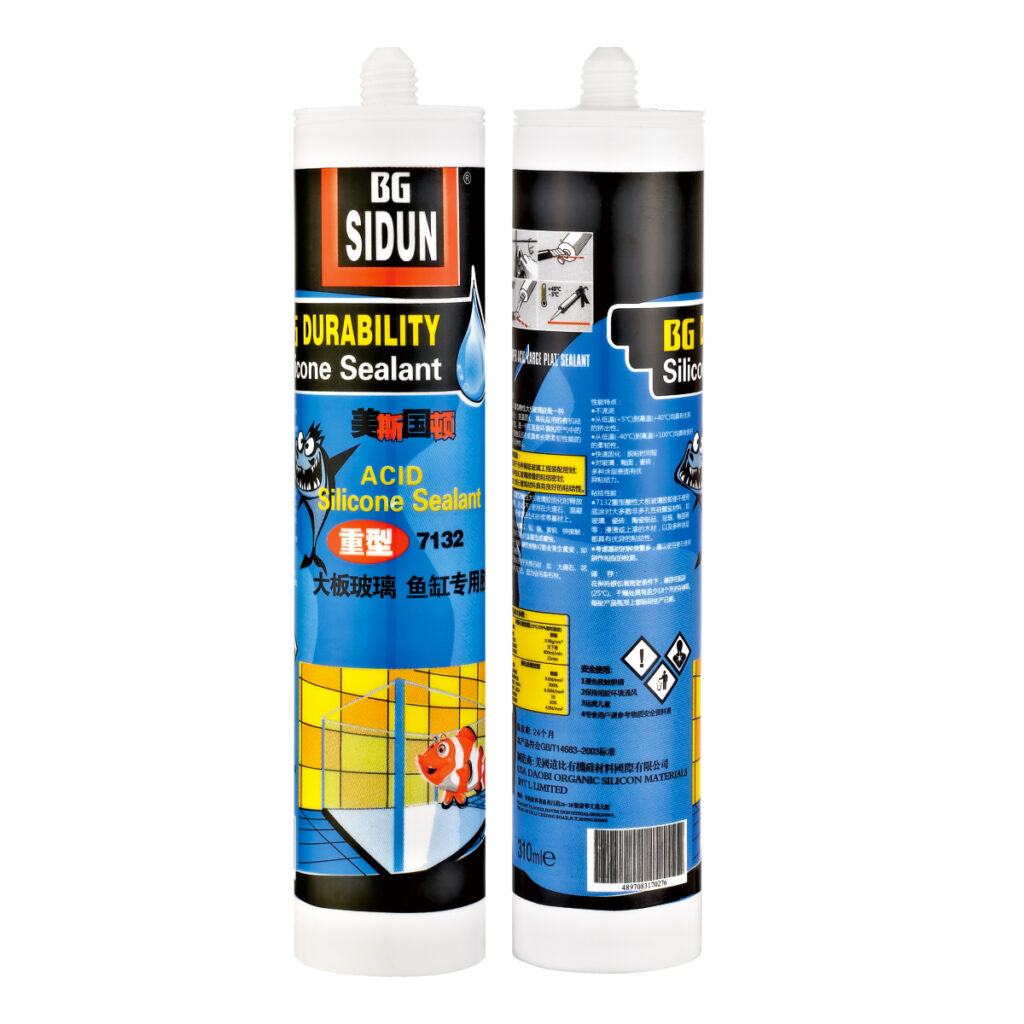
Acid-cure silicone
Application: Glass assembly and fabrication
Pack: Cartridge format
In many one-component silicones, moisture initiates the cure from the exposed surface inward. Acetoxy products release acetic acid during cure, which accounts for the familiar vinegar odour. Neutral cure covers more than one chemistry. For example, alkoxy and oxime systems release different by-products. Read the model’s technical and safety data for its specific cure and handling requirements. Dow reference on silicone cure types.
Skin formation, a tack-free surface and cure through the bead describe different stages. Deeper or enclosed details can take longer to cure through because moisture has less access to the material. Confirm the actual dimensions and conditions before setting a handling, painting or exposure time.
Choose a starting point by function. Review 101 for selected frame perimeter sealing, 108 for a sanitary finishing detail, or 7132 for the glass-assembly use described for that model. Structural glazing and specialist glazing assemblies require a separately defined system and supporting evidence.
For aluminium profiles, see the window and door selection guide. Include the materials, exposure and planned trial date in your technical enquiry.
Share your application, destination market and purchasing needs. We can discuss product selection, sample evaluation, packaging and a focused B2B supply plan.