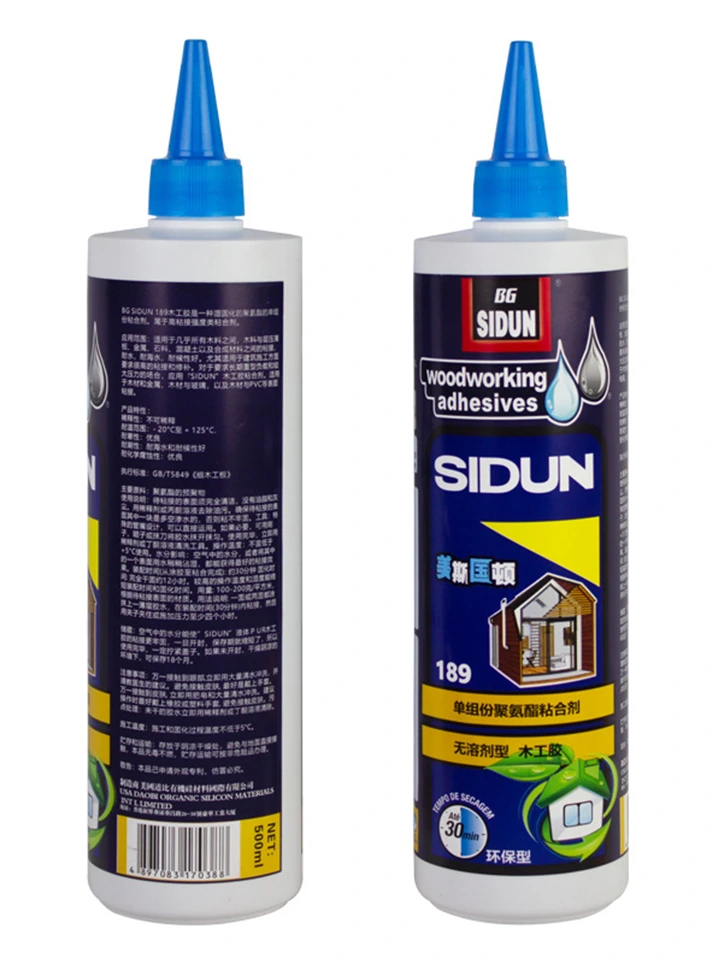
SIDUN 189
189 One-Component PU Wood Adhesive
One-component, moisture-curing polyurethane
Application: Wood-to-wood bonding
Pack: PE bottle formats

SIDUN · Knowledge Center
Use technical information to evaluate the application and safety information to plan handling. A TDS and an SDS serve different purposes, and each should match the product, version and market being discussed.
A TDS typically describes intended use, application guidance and stated characteristics. Read the conditions, units and limitations alongside any value. The product designation and version help connect that information with the material being evaluated.
An SDS addresses hazards and safe handling, including relevant protection, storage, transport and emergency information. It should be reviewed by the people handling the product in the applicable market. It is not a performance certificate or a substitute for an application specification.
Do not transfer a document to a neighbouring model because the brand or chemical family is the same. Keep test reports, certificates and data sheets distinct. Net weight and volume fields should also remain in their stated units when comparing packaging information.
The 189 technical guidance includes a requirement for at least one porous bonding surface, a condition relevant to that adhesive’s selection. A 101A enquiry should identify the compact tube model rather than refer broadly to 101 silicone. The exact designation makes a document request more useful.
Include the model, pack format, destination market and intended application. Ask for the relevant technical, safety and supporting test information for that requirement. Where additional testing or certification is needed, define the standard and scope as part of the discussion.
Use a model and a clear application brief when requesting samples, technical information or a quotation.
One-component, moisture-curing polyurethane
Application: Wood-to-wood bonding
Pack: PE bottle formats
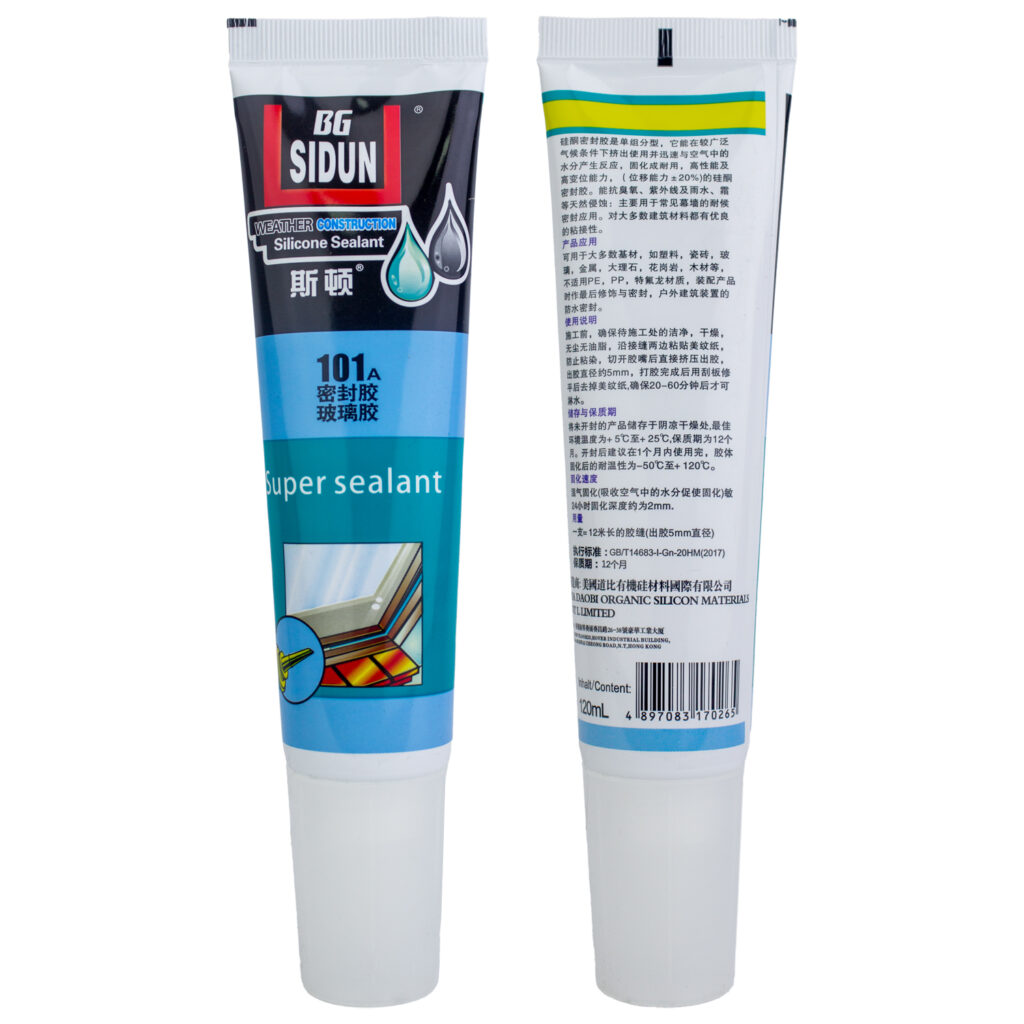
One-component, moisture-curing silicone
Application: Window and kitchen-surface sealing details
Pack: 120 mL tube · 25 tubes
For example, the guidance for SIDUN 189 calls for at least one porous bonding surface. If both wood parts have sealed or coated contact faces, include the actual finish and ask how compatibility and cure should be assessed.
Ask for the exact claim, standard, product and use. A performance classification, batch report, emissions test or system listing each answers a different question. Send the required document, standard edition, destination and delivery schedule in your document enquiry. Technical document checklist · Packaging and purchase specifications.
Share your application, destination market and purchasing needs. We can discuss product selection, sample evaluation, packaging and a focused B2B supply plan.